- English
- Español
- Português
- русский
- Français
- 日本語
- Deutsch
- tiếng Việt
- Italiano
- Nederlands
- ภาษาไทย
- Polski
- 한국어
- Svenska
- magyar
- Malay
- বাংলা ভাষার
- Dansk
- Suomi
- हिन्दी
- Pilipino
- Türkçe
- Gaeilge
- العربية
- Indonesia
- Norsk
- تمل
- český
- ελληνικά
- український
- Javanese
- فارسی
- தமிழ்
- తెలుగు
- नेपाली
- Burmese
- български
- ລາວ
- Latine
- Қазақша
- Euskal
- Azərbaycan
- Slovenský jazyk
- Македонски
- Lietuvos
- Eesti Keel
- Română
- Slovenski
- मराठी
- Srpski језик
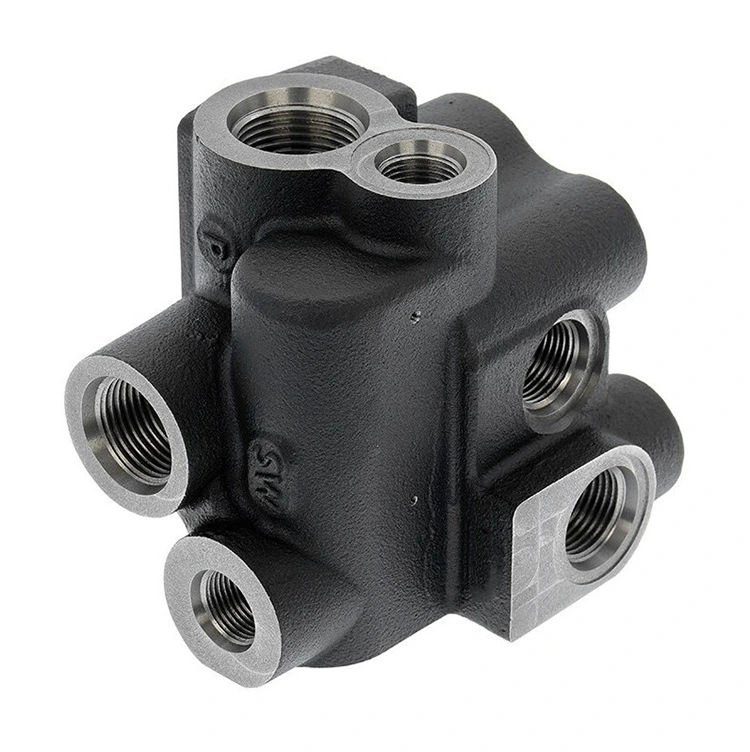
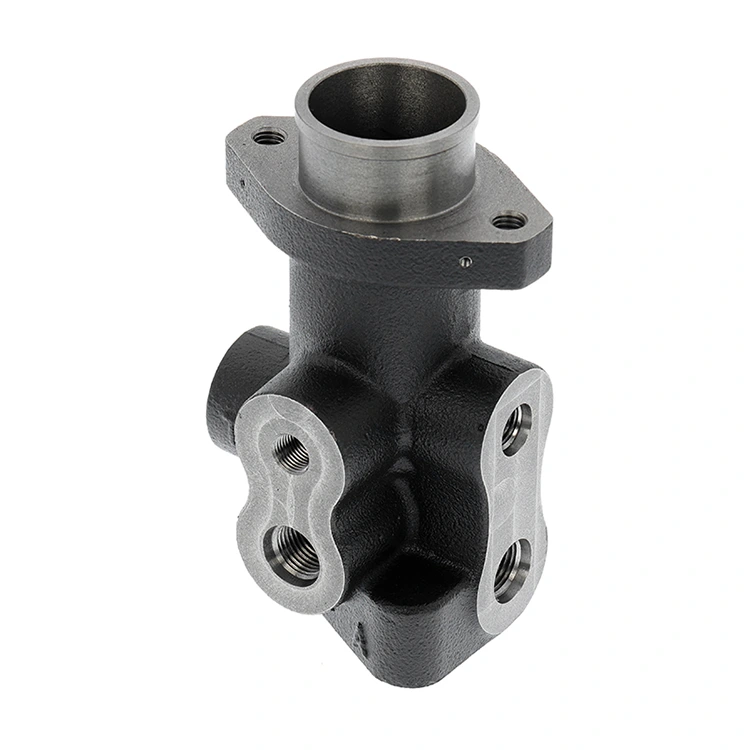
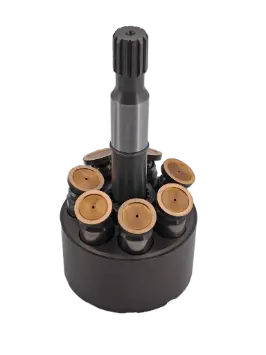

ねずみ鋳鉄鋳物
精密ねずみ鋳鉄鋳造を必要とする世界の産業に、精密ねずみ鋳鉄鋳造サプライヤーとしてのディフォン・マシナリーは、中国、ASTM、JIS、DIN、EN 規格を満たす、HT100 から GG400 までの全グレードにわたる専門知識を提供します。当社の鋳造サービスは、自動車のパワートレイン部品、重機基地、農機具のハウジング、建築ハードウェアなど、さまざまな業界にサービスを提供しています。
お問い合わせを送信
製品説明
Multi-Grade Gray Iron Casting Expertise – Difon’s Compliance & Customization for Global Industries
For global industries requiring precision gray iron castings, Difon Machinery as a precision gray iron casting suppler delivers expertise across the full spectrum of grades—from HT100 to GG400—meeting Chinese, ASTM, JIS, DIN, and EN standards. Our casting services serve a diverse range of industries automotive powertrain parts heavy machinery bases agricultural equipment housings and construction hardware all use our work. We leverage gray iron's inherent advantages: excellent vibration damping, superior machinability, and cost efficiency. Every casting we make is built to meet the specific mechanical needs of its grade. We keep tight control over tensile strength, hardness and microstructure to make sure it fits perfectly into your final products. The superior machinability of our castings can reduce machining time by up to 20%, as consistently reported by clients in the automotive sector. As your partner, Difon provides the critical link between global material standards and your custom application requirements. A farm equipment maker we’ve worked with told us our skill at adjusting castings to their exact needs helped them launch a new product line three months early a level of support their previous supplier was unable to provide.
One German client reported our GG400 castings for their industrial pumps have run 3 years without any structural issues. Need 10 prototypes for design checks? Or 5000+ batch parts for mass production? We deliver consistent quality on time, every time.
Gray iron castings are the backbone of countless industrial products, and making multiple grades is a key advantage for global clients. Low-grade castings—like HT100 or ASTM 200—are perfect for non-load-bearing parts such as decorative covers or simple brackets. For these, cost and castability tend to be more important than extreme strength. High-grade castings like HT350 or GG400 are essential for high-stress parts engine blocks, gearboxes and hydraulic valves all need them. Tensile strength and fatigue resistance here can be the line between reliable work and expensive downtime. A heavy machinery brand once told us a single fatigue failure in a low-quality casting cost them over $50,000 in lost work time—something our parts have never caused. Most generic makers have trouble mastering all gray iron grades they often compromise on quality parameters when venturing beyond their standard grades. At Difon we’ve spent years improving our processes to tackle each grade’s unique challenges we adjust alloy mixes and optimize casting and heat treatment settings to make sure every part meets or beats standards no matter the grade. Take our GG400 castings for German industrial pumps they go through tighter impurity control and longer heat treatment to hit tensile strength of 400MPa or higher. Our FC200 castings for Japanese agricultural tools are optimized for easy machining and steady size accuracy the Japanese client we work with says these castings fit their assembly lines perfectly with almost no adjustments needed. That kind of consistency is why they’ve kept ordering from us for five years straight.
We can produce multi-grade gray iron castings because we control alloy makeup accurately this directly affects each grade’s mechanical traits. Gray iron’s performance depends on its carbon, silicon, manganese, sulfur and phosphorus content. We adjust these ratios carefully for each grade. For low-grade castings we use more carbon and silicon to make casting easier and cut costs we keep manganese at a moderate level to maintain machinability. For high-grade castings we lower carbon and tweak silicon to boost tensile strength we raise manganese to make them more wear-resistant. For all grades we strictly limit sulfur and phosphorus to prevent brittleness and keep the structure strong.
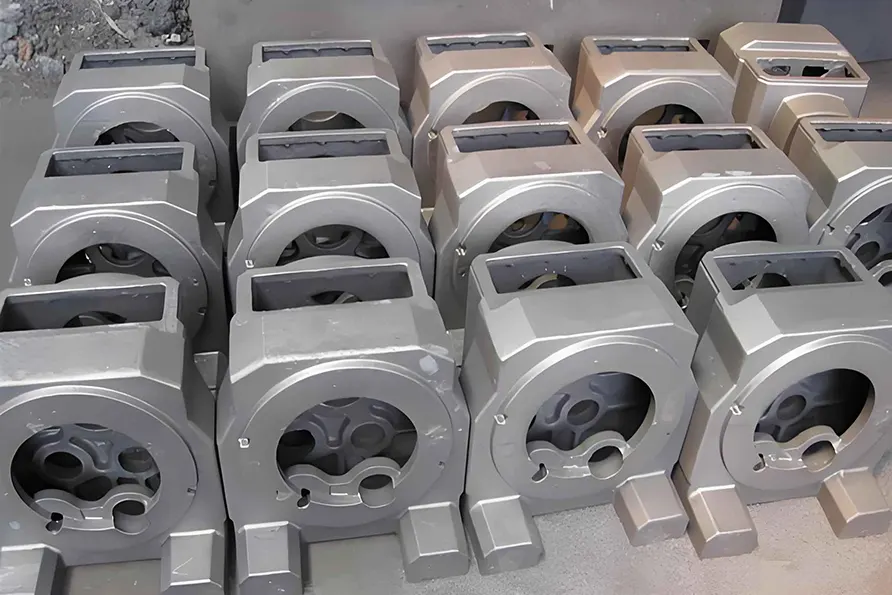
The foundation of consistent casting quality is precise chemical control. During smelting we use a direct-reading optical emission spectrometer to analyze the chemical composition of molten iron in real time we make quick adjustments to keep the alloy within the target range for the specific grade.
After pouring the molten iron we use grade-specific cooling and heat treatment methods to improve the castings’ microstructure. Low-grade castings usually cool naturally in the mold to speed up production. High-grade castings need controlled cooling 5-10℃ per minute followed by annealing or normalizing. Annealing cuts down internal stress and boosts ductility making the casting more resistant to cracking under load. Normalizing enhances tensile strength and hardness by refining the pearlite structure. Take our HT350 castings for example they go through normalizing at 900-950℃ for 2-3 hours then air-cooled to reach tensile strength of 350MPa or higher. A hydraulic valve manufacturer we supply says these heat-treated castings have never failed under heavy pressure even in 24/7 operation. This targeted heat treatment makes sure each casting’s mechanical properties fit its intended use perfectly. Adherence to these grade-specific methods significantly enhances first-pass yield, which streamlines production and contributes to more predictable lead times and cost for you.
Quality control at Difon is a multi-step process made for each grade to meet strict standard demands. We begin with raw material checks looking over pig iron, scrap steel and other additives to make sure they’re pure. During casting we keep a constant eye on molten iron temperature and flow rate using thermal sensors and flow meters this catches any changes that might ruin the final product. A heavy machinery client once said our strict casting monitoring stopped a batch of defective parts from reaching their assembly line saving them thousands in rework costs. After casting and heat treatment every batch goes through tough tests: Mechanical Property Testing: We take tensile test samples from each batch to measure tensile strength, yield strength and elongation. We do hardness tests Brinell or Rockwell at several points on each casting to make sure it’s uniform. For high-grade castings we also run impact tests at room and low temperatures to check toughness. This comprehensive testing protocol ensures a mechanical property defect rate of less than 1%, providing you with guaranteed consistency. A European auto parts supplier recently told us our consistent test results were the main reason they extended their contract with us—they no longer have to do extra checks on incoming castings.
Non-Destructive Testing (NDT): All critical castings—especially high-grade ones for safety-critical applications—undergo ultrasonic testing (UT) to find internal defects like porosity, shrinkage, and cracks. We use magnetic particle testing (MT) for ferromagnetic grades and liquid penetrant testing (PT) for non-ferromagnetic ones to detect surface defects.
Dimensional Accuracy Checks: We use coordinate measuring machine to inspect each casting’s dimensions. We compare them to the original 3D design file to ensure even complex features—like mounting holes, grooves, and mating surfaces—meet required tolerances.
Difon's key advantage lies in seamlessly adapting to global standards while delivering deeply customized solutions for each client's unique regional and application needs. We know European manufacturers often need GG-series castings while those in North America prefer ASTM grades. We tweak our processes smoothly to fit these regional needs. A German engine maker we work with says our quick adaptation to their local standards saved them months of qualification time—something their previous supplier couldn’t do. Our engineering team works close with you to grasp your application needs. We suggest the best grade based on load, temperature, environment and cost. For instance if you’re designing a diesel engine for the European market we might recommend GG300 for the cylinder block to meet strict local durability rules. If you’re building a small agricultural tractor for Asia HT200 could be a better pick for the transmission housing it balances performance and cost well. An Asian tractor manufacturer told us this tailored grade suggestion cut their material costs by 15% without hurting product quality.
We also provide full pre-production support including design for manufacturability help. Our engineers look over your 3D models to spot potential casting problems like thick sections that might cause shrinkage or narrow channels that could be hard to fill. We offer changes to optimize the design for the target grade. This proactive way not only lowers defect risks but also boosts production efficiency and cuts costs. For clients needing fast prototyping we can make small batches of castings in 7 to 10 business days using 3D-printed sand molds. A startup that makes custom agricultural tools recently used this service to launch their new product three weeks early—they praised how our rapid prototyping helped them beat their competitors to market.
This lets you test and validate designs before moving to mass production—saving you time and money in the long run.
For large-volume orders, we use automated production lines and efficient supply chain management to ensure consistent quality and on-time delivery. Our facility has advanced sand processing equipment, automated pouring systems, and robotic trimming tools. These reduce human error and boost production capacity to up to 10,000 castings per month. We maintain strategic inventories of raw materials to ensure supply chain continuity and safeguard your production schedule. Our dedicated logistics team works with trusted carriers to deliver castings safely and on schedule—whether locally or internationally.
At Difon, we apply our multi-grade expertise to every project, directly enhancing your product's performance, cost-effectiveness, and reliability. As a dedicated gray iron casting maker we blend precise engineering strict quality checks and customer-focused service to deliver castings that meet top performance and reliability standards. A global automotive supplier we’ve partnered with for years said our consistent quality is what keeps them coming back—they used to work with three different foundries before sticking with us. Whether you’re after a low-cost HT100 casting for a basic part or a high-strength GG400 for a safety-focused component we have the knowledge equipment and experience to turn your vision into reality. One construction machinery client told us our ability to handle both low and high-grade castings saved them the hassle of managing multiple suppliers—everything they need comes from one reliable source. Reach out to our team today to talk about your specific gray iron casting needs ask for a quote or set up a facility visit. You’ll see our production process and quality control systems in action and soon get why so many global companies put their trust in us for their casting needs. A recent visitor from a European industrial firm said our facility’s attention to detail and team’s expertise were far beyond what they expected—that’s why they signed a two-year contract with us right after the tour.
ホットタグ: ねずみ鋳鉄鋳物